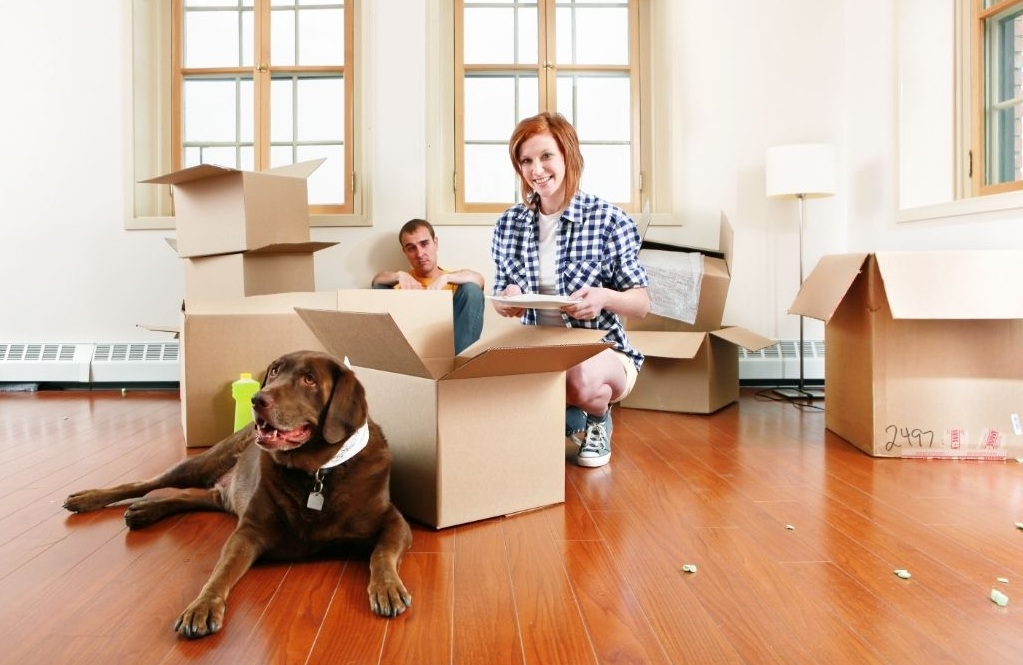

Moving, in general, can be a stressful task, not to mention when you are moving…
Moving, in general, can be a stressful task, not to mention when you are moving with pets. Therefore, preparing your pets as much as possible ahead of time and keeping them comfortable are two of the most important things to remember when moving.
Animals typically have a routine, and it can be hard on them when that routine is disrupted. That is why we have compiled a list of the seven most helpful tips when moving with pets.
Make Your Pets Ready Ahead of Time
There are a few steps you can take to prepare your furry friends as much as possible before the big move. Some tips for moving with pets are:
Get the Boxes Out as Soon as Possible
The sooner you get the moving boxes out, the more comfortable your animals will be around them. This will help eliminate their curiosity when the time comes to pack.
Use a Plug-In Diffuser or Pheromones
Using a plug-in diffuser or pheromones can aid in keeping your animals calm during the move.
It's Crucial to Have a Routine
You should maintain the same playtime or walking routine and feeding time to keep things as normal as possible and reduce stress.
Acclimate Your Pets to Their Crate and Their New Surroundings
The more used to the crate your pets are, the less likely they will be worried when the time comes for them to be in there.
Checklist Before Moving Long Distance with Pets
If you are moving with multiple pets, making sure they are up-to-date on their vaccinations and filling their prescriptions will make your move more efficient. New surroundings can make your pet confused, and they might wander away. Ensuring that their microchips and identification are up-to-date and having a plan will reduce your stress.
Follow this checklist to make sure you are adequately prepared when moving with pets:
- Take your pet to the veterinarian for a checkup and a copy of their medical records.
- Find a new veterinarian and transfer your records to them.
- Make sure your pet's identification and microchip information are up to date.
- Create a transportation strategy.
- Consider boarding your pet when you get there.
- Obtain supplies.
Consider Preparing Overnight Kit
If you are moving cross country with pets, having an overnight kit with all necessities will ensure you are prepared for unexpected stops. Some valuable supplies to bring are extra food, water bowls, toys, blankets, and other essential items you might think of. Being prepared not only helps your stress but will also keep your pet calm and happy.
Look at Laws and Regulations
Different cities have different laws and regulations when it comes to pets. Researching pet laws in your new area ahead of time will help prepare you for any requirements. Apartments or rental homes may have specific rules you have to follow for your animals.
If you are moving with a dog, be sure to check out the leash laws in your town, as these do differ.
Maintain the Safety of Your Pet
Keeping your pets safe during the moving process is probably your main priority. Remember to keep the doors to the outside closed so your cat or dog cannot escape. You can also lock them in a separate room with their toys and food while unpacking.
If your pets are microchipped, updating their information and pet tags can be helpful if they escape or decide to wander away from their new home.
Make Them Comfortable While Driving
Making your pets comfortable while driving is essential, especially if you are moving long distances with pets. Helpful tips for moving with a cat are to familiarize them with their carrier before driving, especially if they have never been in one before. You can also cover their crate to reduce visual stimulation and anxiety.
Your pets should always be placed in the backseat and either be in a crate carrier or wear a seatbelt.
Considering Pet-Proofing Your New House
When moving animals to a new home, it is important to pet-proof your new home so they stay safe. You should make sure that all of the windows, screens, and doors are secure so they cannot escape. You should also check the property for any areas not fenced in.
If you are moving a dog to a new home, be sure to check for any exposed wires that they may chew on.
Planning to Move with a Dog, Cat, and Other Furry Friends Around? Get in Touch with Us!
For more information on how to move with pets or moving pets across country, contact On The Go Moving in Seattle, WA, today at 425-440-3241. We will make moving with pets simple and safe.
Moving is a huge challenge. Having to move everything you own from your old home to your new home can cause a lot of stress, especially if you have pets that you're moving with you. Dogs, cats and other animals love routines, and the process of moving can be jarring for them. The process of moving everything in your home, especially when it comes to moving and rearranging your furniture, can be disruptive and stressful for your pets. Today, we're going to discuss several ways that you can prepare your pets for the move and make moving with pets much easier.
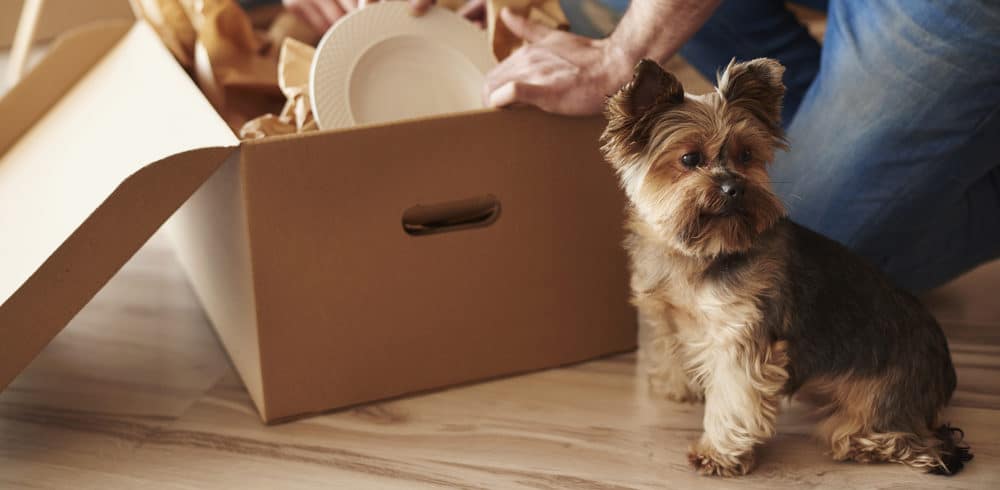
Moving With Pets: 7 Tips to Get You Started
1. Keep to Their Routine
The one thing you'll want to make sure to do while in the middle of a move is sticking to your pet's routine as much as possible. With all of the commotion going on in your home, it is more critical than ever that you feed them, walk them, play with them and give them attention at the times you normally do during routine life. Keeping to your pet's routine will go a long way in keeping them at ease in the midst of all of the change that is going on.
2. Leave Suitcases and Bags Out
If you've taken a vacation before while owning your pet or gone out of town, there is a good chance that your pets know what it means when your bags and luggage come out. This can cause them to become nervous, sad, or stressed because of the association your pets have with your luggage and you leaving. One way you can condition your pets to be okay with having your luggage out is to put your bags out way ahead of time before you start moving. After they see the bags sitting out for weeks without you going anywhere, they'll break their association with you leaving when your luggage is out.
3. Get a Pet Sitter
When you're moving with pets, it can be difficult to keep track of your pets during the chaos. The last thing you want is for them to sneak off while you are loading and unloading, with the doors to your home constantly opening and closing. You may want to call up a friend and have them take care of your pets during the big days that you're moving. Doing so will give you peace of mind in knowing that they are safe, and will keep them from getting lost during the move.
4. Keep your Pets Mentally Stimulated
During your move with pets, it's beneficial to make sure your pets stay mentally stimulated. Pets can get stressed just like people, and moving can often cause stress and sadness for your pets, which is why keeping them mentally occupied as much as possible is an important part of a successful move with pets. It's a great idea to get different types of toys that will distract them while you are moving with your pet – these will exhaust your pet, and make sure that they sleep well during the move.
5. Keep your Pets Physically Active
Along those same lines, another valuable way to make sure your pet is taken care of during your move is by giving them plenty of physical activity. Exercise and fresh air are great ways to give your pet the stimulation and love that it needs, and will keep them preoccupied with something other than the move. Make sure to walk your dog on their regular schedule; you may even want to schedule in some extra impromptu walks just to keep them active and relaxed.
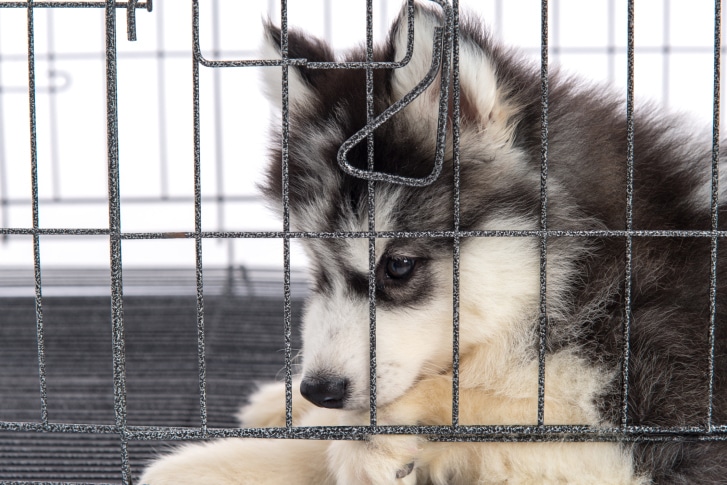
6. Crate Train Your Pets
If you have not already, it may not be a bad idea to go ahead and crate train your dog or cat before the move with your pets. Many people believe that pets don’t like being crated, but this is, in fact, false – the majority of pets, especially dogs, enjoy having a crate as a safe space. Being in a crate is like a security blanket for most pets, and they feel more relaxed in their safe space. If you have not crate trained your pet already, you don't want their first time in a crate to be on moving day. Make sure that you take several weeks or months before moving with pets to crate train your pet so they are comfortable on moving day.
7. Using Background Noise
If you know that your pets are going to be left in your house (new or old) for a period of time while you make back and forth trips to your new home, you may want to leave on some background noise for your animals. Most pets, especially dogs, love having the TV and radio on; it helps give them the sense that they have company in the home while you are out.
Specifics To Do Before, During, and After Moving With Pets
Pre-Move
Pets have the incredible ability to sense when things are changing in your home. The activity and stress of moving can leave them feeling unsettled. A Seattle moving company can even provide you with moving, packing, and storage services to help reduce your workload and leave you free to focus on your pets.
1. Update Tag
Old collars can get stretched and frayed over time. The last thing you want is for your pet to slip out of their collar while you’re at a rest stop or loading up the vans, so buy them a new collar that they can wear and get comfortable with.
Also, be sure to update their collar’s tag with any new contact info. Be sure the information is clearly visible. Also include your new home phone number.
2. Get Vet Records
Make an appointment with your old veterinarian’s office and request your pet’s health records. These records can help you new veterinarian to provide better care for your pet. While you’re there, see if your pets are up to date on their shots, health certificates, and prescriptions. If your pet is susceptible to motion sickness, ask about sedatives to help eliminate the symptoms.
3. Take Time Packing (and Planning)
Avoid frantic, last minute packing for your pets! This will stress both of you out. Gradually pack unnecessary toys or belongings days before the move, and collect their feeding bowls, bed, and favorite toys on the day of the move. If you’re making a long-distance move, you want to be sure that all the airlines and hotels you’ve booked are pet-friendly.
During the Move
It is usually best if your pets are not onsite while the moving truck is being loaded. Keeping your dogs out from under foot can be difficult, and cats have a knack for hiding themselves in your boxes. Our team at On The Go is dedicated to providing safe and efficient moving services so that you can start on the road to your new home as soon as possible.
1. Meds and First Aid
Beyond their necessary food, toys, and crate, be sure you also have your pet’s medications and a first-aid kit on hand, particularly if if your pet is susceptible to motion sickness. The last thing you want is for your car to smell like a sick dog or cat.
2. Keep in Crate
Unless you’re taking a short walk or letting them out for a rest stop, it’s best to keep your pets inside their crate. Even if they seem mellow and calm, it is both safer and simpler if they stay in their crates. With the drastic change of a move, it doesn’t take much to spook your cat into bolting.
3. Regular Rest Stops
We all need them, and so do your pets. Take regular rest stops to let your pets relieve themselves and stretch their legs. Be sure to keep them on a leash. You might consider bringing along some extra blankets or newspaper for your pet’s crates, should anything unpleasant happen.
Post-Move
Finally, you’ve arrived at your final destination and new home. Your Seattle moving company has helped to unload your belongings, and now it’s time to start getting settled. While there are a number of essential steps for when you first start unpacking, your pets need attention as well.
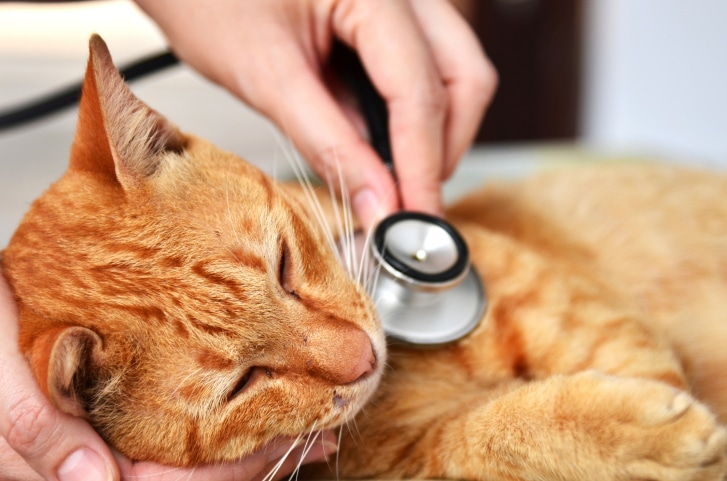
1. Find New Clinic
It is important to know the location of your new clinic, should there be any emergencies. If you’re not sure where to go, you might be able to get recommendations from your previous vet. Also consider taking your pet in for a post-travel checkup to be sure they are doing well.
2. Start New Routine
Ideally, your pet’s routine of eating, walking, sleeping, and playing should not have changed too drastically from your old lifestyle. Cats and dogs do best when they can fall into some kind of routine, whether old or new. Try and set up a regular schedule for all these activities and stick to it so that your pets can start feeling at home.
3. Lay Out Essentials
After you arrive at your new home, have the pet’s bed, food, and water laid out in a particular space or room. Introduce your pets to their new home one room at a time instead of all at once. They can easily become overwhelmed by all that is new. Have their toys and beds in a particular room so that they can gradually acclimate to their new environment.
Make Your Move An Easy Experience
Moving with pets can make the moving experience a bit more complicated, but it doesn't to make your move more difficult. Use the above tips to keep your pets happy and make your move go smoothly. If you have any more questions about moving or need help with your next move, contact On the Go Moving today. We provide professional and personal moving services to the greater Seattle area and would love to help you and your pets get safely moved into your new home.